
Emergency care
Appendicitis: how to read the warning signs before it becomes a crisis
Appendicitis is one of the most common reasons people in the UAE end up in an emergency room overnight. The appendix is a small pouch attached to the large intestine, and when it gets blocked or inflamed it can rupture within 24 to 72 hours. Knowing what the pain feels like, and what it does NOT feel like, is often the difference between a keyhole procedure and a week-long hospital stay.
Classic vs atypical
What appendicitis actually feels like
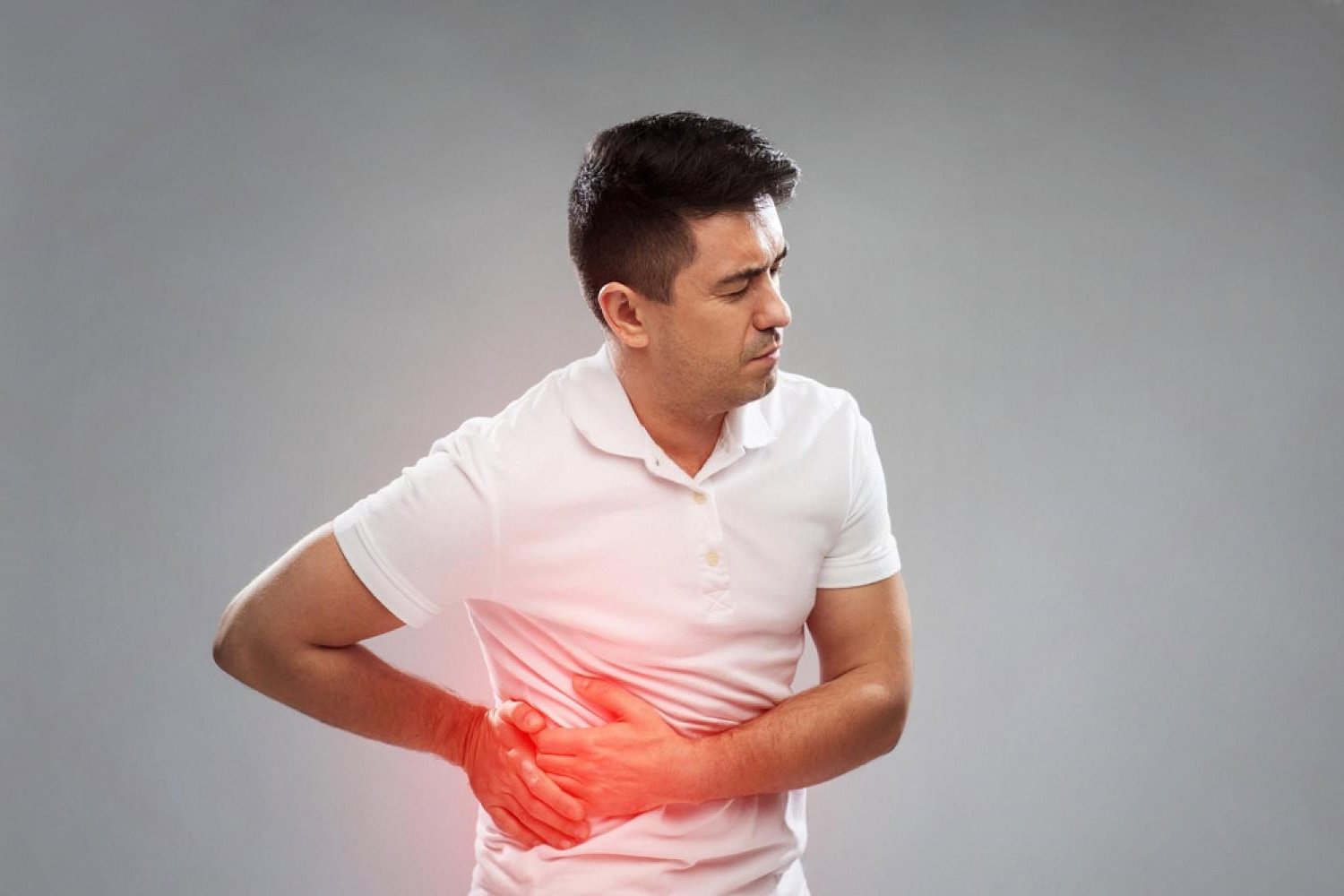
The textbook presentation starts as a dull ache around the belly button that migrates to the lower right side over 6 to 12 hours. It gets worse when you cough, walk, or press on the area. Nausea, low-grade fever, and loss of appetite usually join in.
But not everyone reads the textbook. Children under 5 often present with vague tummy pain and vomiting. Pregnant women may feel the pain higher up because the uterus pushes the appendix aside. Older adults sometimes have surprisingly little pain until the appendix has already perforated. If something feels off and it is getting worse hour by hour, that pattern matters more than the exact location.
Surgery now vs. wait and see: the honest trade-off
Early surgery (within 24 hours)
- Laparoscopic approach is almost always possible
- Hospital stay usually 24 to 48 hours
- Complication rate under 5 percent in uncomplicated cases
- Return to desk work in about a week
- Three small incisions, minimal scarring
Delayed presentation (perforation)
- Open surgery may be required
- Hospital stay of 5 to 7 days is common
- Risk of abscess, peritonitis, and sepsis rises sharply
- Recovery stretches to 4 to 6 weeks
- Higher chance of drains, longer antibiotic courses
According to peer-reviewed clinical reviews the risk of perforation climbs significantly after 36 hours of symptoms. That single fact is why emergency physicians in Dubai, Abu Dhabi and Sharjah move quickly on suspected cases rather than sending patients home to “see if it settles.”

Tip 1
Recognising the emergency at home
Do not talk yourself out of going to hospital. The single biggest predictor of a bad outcome is delay, and most delays happen because patients hope the pain will pass. Watch for these signs:
- Pain that moves from around the navel to the lower right abdomen
- Pain that worsens with movementpotholes in the car, or coughing
- Loss of appetite combined with mild nausea, this combination is very telling
- Low-grade fever of 37.5 to 38.5 C alongside abdominal pain
- Rebound tendernesspressing gently on the area hurts less than releasing the pressure
If you have three or more of these together, treat it as an emergency and go to the nearest hospital, do not drive yourself if the pain is severe.
Tip 2
What happens in the ER
UAE hospitals follow a fairly standard workup for suspected appendicitis. Knowing the sequence takes the anxiety out of it:
- Triage and vitals. Temperature, heart rate, and blood pressure are checked first. Fast heart rate with fever raises suspicion.
- Physical examination. The surgeon presses on McBurney’s point, roughly one-third of the way from the right hip bone to the navel, and checks for guarding.
- Blood work. Elevated white cell count and CRP support the diagnosis but are not definitive on their own.
- Imaging. Ultrasound is often first in younger patients and pregnant women. CT scan is standard for adults where the picture is unclear.
- Surgical consult. If findings line up, you meet the surgeon, sign consent, and are prepped for theatre, often within a few hours of arrival.
If you want a second opinion or elective follow-up after discharge, seeing a specialist gastro surgeon at Emirates Hospital is a reasonable path, particularly if you had a complicated presentation or ongoing digestive symptoms afterwards.
Tip 3
Laparoscopic appendectomy and recovery
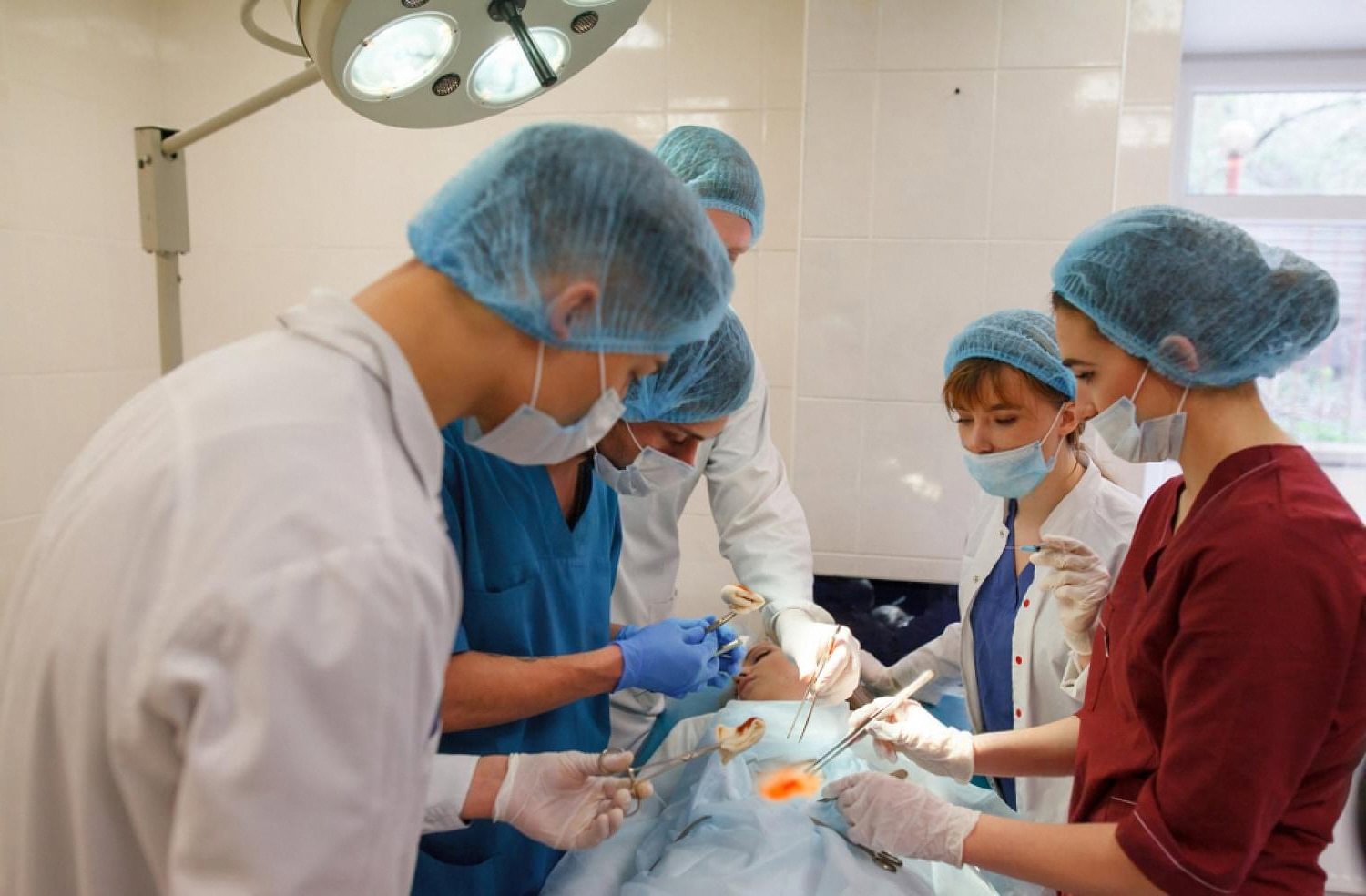
The overwhelming majority of appendectomies in the UAE are now done laparoscopically. Three small incisions, each around 5 to 10 mm, allow the surgeon to remove the appendix with a camera and fine instruments. The technique overlaps with other minimally invasive abdominal procedures, including laparoscopic hernia repair so most general surgeons in accredited UAE hospitals perform it routinely.
A realistic recovery timeline for an uncomplicated case:
- Day 0 to 1: Hospital stay, walking gently within hours, light diet as tolerated
- Day 2 to 5: Home rest, painkillers reduced to paracetamol, showering allowed
- Week 1 to 2: Back to desk work, driving once off strong painkillers
- Week 3 to 4: Light exercise resumed, no heavy lifting yet
- Week 4 to 6: Full return to gym, sports, and manual work
Do not do these things while waiting to be seen
If you suspect appendicitis, avoid the well-meaning mistakes that make surgery harder:
- Do NOT take laxatives or enemas, they can trigger perforation
- Do NOT apply a heating pad to the area, heat accelerates inflammation
- Do NOT eat or drink once you decide to go to hospital, surgery needs an empty stomach
- Do NOT take strong painkillers that mask symptoms before assessment
- Do NOT wait until morning if pain and fever are climbing overnight
The takeaway
Appendicitis is common, well understood, and highly treatable when caught early. The lifetime risk sits around 7 to 8 percent meaning most families will deal with it at some point. Trust the pattern of migrating pain, appetite loss, and fever, and get assessed quickly. A few uncomfortable hours in the ER is a much better trade than a ruptured appendix.
Frequently asked questions
How quickly does appendicitis progress from first pain to rupture?
Most cases progress over 24 to 72 hours from initial symptoms to perforation, but the timeline is unpredictable. Perforation risk rises sharply after about 36 hours of continuous symptoms.
This is why UAE emergency departments treat suspected appendicitis as time-sensitive rather than something to observe overnight at home.
Can appendicitis be treated with antibiotics alone instead of surgery?
In selected uncomplicated cases, antibiotics can settle the inflammation short term. However, studies show that around 40 percent of patients treated with antibiotics alone need surgery within five years due to recurrence.
Surgery remains the definitive treatment, especially for younger patients and anyone with signs of complication on imaging.
Is laparoscopic appendectomy safe during pregnancy?
Yes, laparoscopic appendectomy is considered safe in all trimesters when performed by an experienced surgical team, and it is generally preferred over open surgery. The alternative, a ruptured appendix during pregnancy, carries much higher risks for both mother and baby.
UAE hospitals with obstetric and general surgery cover routinely handle these cases together.
What is the typical cost of appendix surgery in the UAE?
Costs vary widely by hospital category and insurance status, so specific figures should come from the facility itself. Most private health insurance policies in the UAE cover emergency appendectomy without a waiting period because it is a genuine emergency.
Check your policy for cover of the surgeon’s fee, anaesthesia, and hospital stay separately, these are usually all included but worth confirming.
Are there long-term effects from having the appendix removed?
For the vast majority of people, none. The appendix has a small role in gut immunity in early life, but removing it in adulthood does not measurably affect digestion, immunity, or life expectancy.
Some research suggests a slightly altered gut microbiome afterwards, but nothing that requires ongoing treatment or dietary change.
When can I fly after appendix surgery?
Most surgeons in the UAE clear patients for short-haul flights around 7 to 10 days after uncomplicated laparoscopic surgery, and long-haul flights after 2 weeks. If the appendix ruptured or you had drains placed, expect a longer wait, typically 3 to 4 weeks.
Always get written clearance from your surgeon before travelling, and consider medical travel insurance for the trip home.
How do I know if my child has appendicitis versus a stomach bug?
Stomach bugs usually start with vomiting or diarrhoea, then pain. Appendicitis usually starts with pain, then nausea and appetite loss. Children with appendicitis often lie very still because movement hurts, while a child with gastroenteritis will typically writhe or shift positions.
If your child refuses to walk, jump, or hop on the right leg, that is a strong signal to get them assessed urgently.

Hockey fan, nature enthusiast, hiphop head, Eames fan and HTML5 Guru. Doing at the junction of aesthetics and programing to create great work for living breathing human beings. I work with Fortune 500 companies and startups.